Jean-Auguste-Dominique Ingres loved nudity and hated Delacroix. Maybe he should have tried mixing the two?
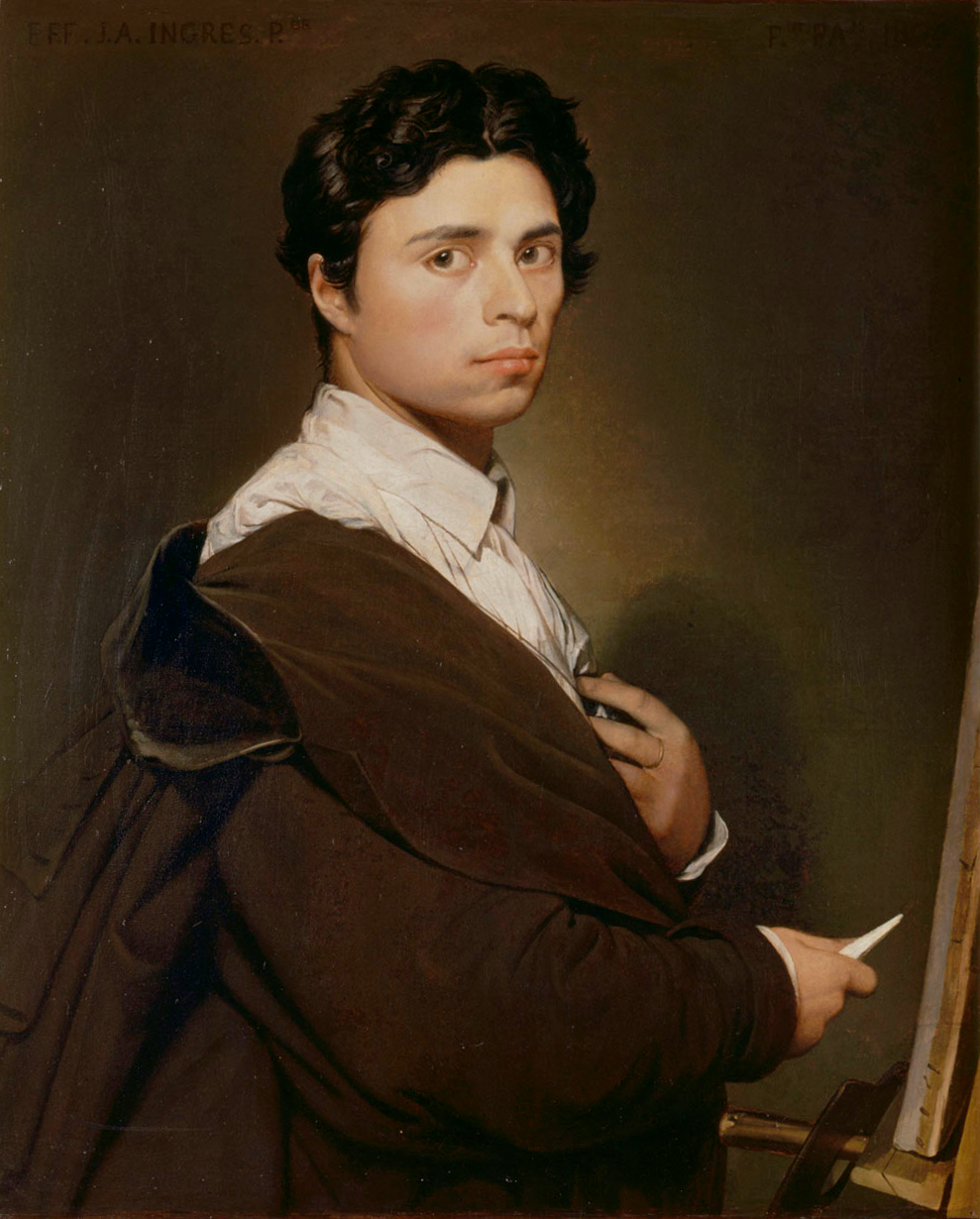
Jean-Auguste-Dominique Ingres was a man of many loves. He loved the classics: from 1801's Achilles Receiving the Envoys of Agamemnon I, painted when he was a mere twenty-one years old, all the way to 1864's Oedipus and the Sphinx, completed three years before his death, Ingres remained a dyed-in-the-wool Neoclassicist, infatuated with and dedicated to the portrayal of figures from Greek and Roman legends. He loved the violin: besides his long and storied career as an artist he was also a dedicated fiddler, to the point that in France “le violon d'Ingres” came to mean any hobby one had separate from one's career. He loved drawing and composition: to Ingres color was merely a tool to accentuate the lines he'd drawn, and he'd often wait so long to get to the actual “painting” part that models sometimes had to leave bits of their clothes with him so he could remember what they looked like.
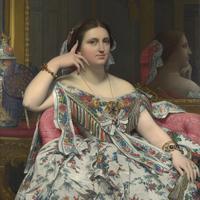
That last detail worked out well for Ingres, because he also loved nudity. Holy living hell did he love nudity. Loved it loved it loved it. The au naturelle look has always been a staple of Neoclassical painting, but Ingres elevated nudity to an art form all its own, putting naked figures in the middle of stories where clothing really would have made a lot more sense (presumably the Greek soldiers wore armor at least a couple times during the Trojan War, and though there are definitely stories about Oedipus getting naked in unfortunate circumstances he probably restrained himself in front of the flesh-eating Sphinx). When he did depict fully-clothed people it was generally in commissioned portraits of the aristocracy; as the models in those cases were also providing his paycheck Ingres seems to have thought better of asking to draw their butts.
But it wasn't all love and nudity in Jean-Auguste-Dominique's life, as the public had a decidedly mixed reaction to Ingres's body of work. Though he won the prestigious Prix de Rome in 1801, critics frequently gave him a harsh reception—he was often called out for “bizarre” and “gothic” tendencies in his art, and an 1806 exhibition of his work received such terrible reviews that Ingres vowed to leave Paris and never return. Though he continued to send work home it would be twenty years before critical opinion softened and Ingres was elected to the Academy of Fine Arts, proving that if you're stubborn enough for a long enough time eventually people will decide it's easier to just declare you a genius and be done with it so you'll stop making a scene.
Ingres's greatest feud, however, wasn't with the critics. As much as he adored the precise, exacting Neoclassical style he despised the passionate messiness of the burgeoning Romantic movement, and none embodied that style more for Ingres than contemporary painter and fellow-first-name-enthusiast Ferdinand Victor Eugene Delacroix. The two were polar opposites on just about every art-related issue you could choose—just compare Delacroix's St. George Fighting the Dragon with Ingres's Ruggiero Freeing Angelica for a look at their wildly different takes on monster-slaying—and neither was quiet about his disdain for the other's techniques. Still, Ingres came across as more bothered by Delacroix than vice-versa, famously approaching the other man at a party and getting so worked up that he spilled his coffee all over himself, then proclaiming that he refused to be insulted any further and storming out before Delacroix could say much of anything. Which sure showed him.
Ingres died at the ripe old age of 86, which in the 1800s probably seemed like some kind of miracle, and as he was married to a woman 30 years his junior and had outlived Delacroix by four years he probably went out feeling pretty good about himself. In 1980 he appeared on a postage stamp in the USSR, because apparently nobody told the Soviet Postmaster General who Rublev and Kandinsky were.

















a little too fru fru for me who else agrees XD