More about Roy Lichtenstein
- All
- Info
- Shop
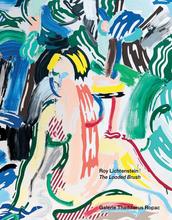
Works by Roy Lichtenstein

Sr. Editor
Roy Lichtenstein is an artist for the true culture vulture, one who feels equally at home in the dusty comic book store as they do the Met.
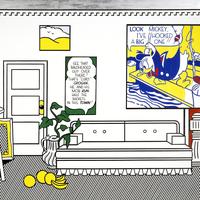
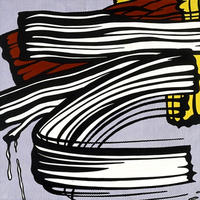
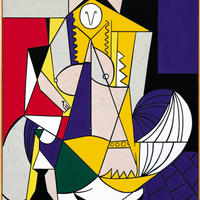
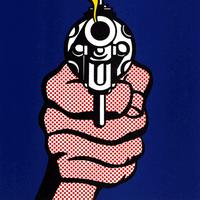
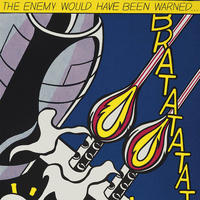
Lichtenstein was a staple of the American Pop Art movement, which describes a really hip time in the ‘60s when Roy and people like Andy Warhol made art fun again. While Warhol was silkscreening bodacious blondes and a Campbell’s stockpile, Lichtenstein was developing a style all his own. His paintings look like blown up comic book graphics, with pixelated black dots, speech bubbles and all. The men and women they feature are drama kings and queens, either crying stoically as a perfectly shaped tear rolls down their cheek, or professing passionate love to hot anonymous strangers. They’re over-the-top scenes in bright, primary colors on enormous canvases and we eat them up like candy.
Later in life he started “Lichtenstein-ing” (yes, that’s a verb now) other famous works of art, using his signature style to make masterpieces by Paul Cézanne and Vincent van Gogh look like comics. At this point in time his fame also sent tons of commissions zooming his way. From fancy hotels, a mural in Times Square, the DreamWorks Records Logo and a BMW Group 5 racing car…no job was too large for our Pop art superhero.
Whether it’s nostalgia for the “Whaam! Pow! Zap!” of afternoons spent with noses in escapist reads from childhood or a penchant for a prettily penned damsel in distress, you’d be hard pressed to find a Lichtenstein hater. Though one of his paintings was lost in the attack on the World Trade Center on 9/11, luckily we can still see plenty of fun, funny work by the prolific artist in museums around the world.

Featured Content
Here is what Wikipedia says about Roy Lichtenstein
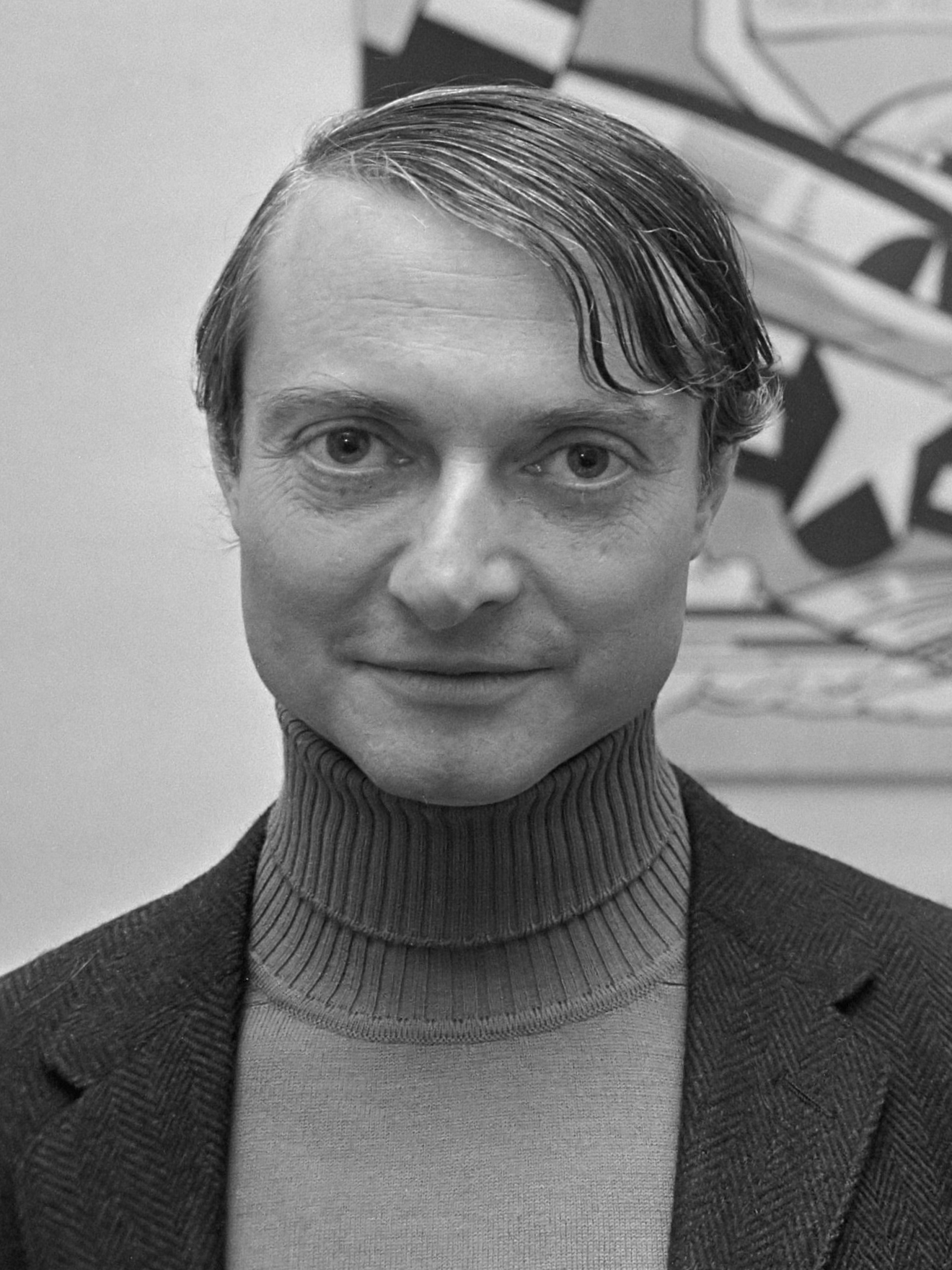
Roy Fox Lichtenstein (/ˈlɪktənˌstaɪn/ LIK-tən-STYN; October 27, 1923 – September 29, 1997) was an American artist. A leading figure of the Pop Art movement, he is best known for his large-scale paintings inspired by comic books, advertisements, and mass-produced imagery. Lichtenstein's art is represented in major museum collections worldwide, and he remains one of the most influential and recognizable artists of the 20th century.
Emerging in the early 1960s, Lichtenstein gained international recognition for works that employed bold outlines, flat colors, and his signature use of Ben-Day dots—a mechanical printing technique he meticulously replicated by hand. Through this approach, Lichtenstein challenged traditional distinctions between "high" art and popular culture, transforming seemingly banal source material into monumental, self-aware compositions. His work often explored themes of romance, war, consumerism, and art itself, frequently incorporating irony and detachment to comment on modern visual culture.
Beyond his comic-inspired paintings, Lichtenstein's wide-ranging career included sculpture, murals, prints, and reinterpretations of canonical works by artists such as Picasso, Monet, and Matisse. His best-known works include Look Mickey (1961), Whaam! (1963), and Drowning Girl (1963), which helped define his visual language and establish Pop Art as a dominant movement of the era. Lichtenstein's most expensive work, Masterpiece (1962), sold privately in 2017 for a reported $165 million.
Lichtenstein received numerous accolades during his career, including election to the American Academy of Arts and Letters in 1979 and the National Medal of Arts in 1995. Lichtenstein also received several Honorary Doctorates in Fine Art from institutions, including California Institute of the Arts, Ohio State University, and George Washington University.
Check out the full Wikipedia article about Roy Lichtenstein